Living Root Bridges in Meghalaya: Trek Planning Guide
By the Shillong Travels team ·
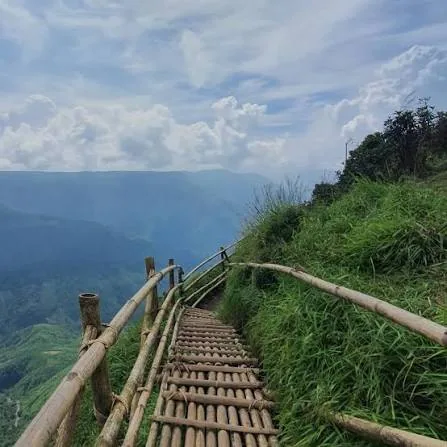
Meghalaya's living root bridges are not all the same walking experience. Before arranging a visit, decide whether you want a shorter bridge stop near Riwai or a dedicated walking day for Nongriat. The choice affects your transport route, footwear, energy and overnight plans more than simply adding “root bridge” to a sightseeing list.
This guide focuses on preparing for the walk. For the destination overview, see Living Root Bridges; for the surrounding sights, read the Cherrapunjee day trip guide.
What makes a living root bridge different?
Khasi communities guide the aerial roots of rubber fig trees across streams. Over generations, the roots grow into living structures that connect village paths. These bridges are part of community landscapes, not just photo stops: respect residents, use established paths and follow local guidance.
Do not remove roots, carve into the structure or step outside permitted areas for a photograph. Ask before photographing people, and carry your litter out with you.
Choosing between Nongriat and Riwai
Nongriat: a dedicated walking outing
Nongriat is known for the double-decker living root bridge. The approach involves a steep descent and a substantial climb back, so it needs a different plan from roadside waterfall viewpoints. Think about the return journey before committing to the descent, particularly when travelling with children or people whose comfort on stairs varies.
Do not combine a demanding trek with every cave and waterfall around Sohra. Choose whether the walking outing or the sightseeing circuit is the priority, then arrange the other stops around it.
Riwai: a different route near Mawlynnong
The single-decker bridge near Riwai can be considered with a Mawlynnong visit. It is a different destination and should not be described as a visit to Nongriat. A shorter approach still involves walking: check current path conditions and suitability rather than assuming step-free access.
When requesting transport, name the bridge you mean. “Living root bridge tour” alone does not establish the route, walking demands or pickup point.
Before choosing your walking day
Weather and path conditions
Rain can make steps and paths slippery. Check the local forecast and current advice, and be willing to change the outing if conditions are unsuitable. Clear skies at your hotel do not guarantee the same conditions along the whole route.
Keep river activities separate from the decision to visit a bridge. Follow local safety instructions and do not enter moving water simply because other visitors are nearby.
Your group's walking needs
Discuss everyone's comfort with steep steps, uneven paths and the return climb. Allow a plan that the least comfortable walker can manage, rather than using the pace of the fastest person. Anyone uncertain about a health condition should seek appropriate medical advice before choosing a strenuous outing.
Questions to settle before departure
- Which bridge are we visiting, and where does the walk start?
- What are the current entry and guide arrangements?
- Is today's route suitable for everyone in the group?
- Where will the driver wait, and how will we contact each other?
- What is our alternative if weather or access changes?
What to carry
Wear footwear with reliable grip and take drinking water, a light rain layer and a small bag that leaves your hands free. Protect your phone and other belongings from rain. Carry any personal medication you normally need, and plan food and rest stops without assuming every service will be available on the path.
Keep your bag manageable for the return climb. Ask locally about facilities before setting off, especially when travelling with children. A walking stick may help some visitors, but it does not make an unsuitable route suitable.
Transport and overnight planning
Arrange the road journey and the walk as separate parts of the day. Confirm the pickup location, intended trailhead, return arrangements and any waiting charges in your transport quote. A taxi booking does not automatically include a guide, entry fees, accommodation or activities.
If you want an overnight stay near the walking route, confirm availability and the actual location before booking. Share that location with the driver and leave room for the following day's departure. Do not assume a standard multi-stop package includes the trek unless it is specifically agreed.
Compare the Meghalaya package itinerary with your walking priorities, or contact Shillong Travels to discuss a route around your group's needs.
Common planning questions
Can we add Nongriat to a full Sohra sightseeing day?
Treat the trek as the main outing rather than a quick extra. Ask the team to review the walking plan, road journey and remaining daylight before adding other attractions.
Is the Riwai bridge the double-decker bridge?
No. Riwai and Nongriat are different visits. Specify the destination when you request a route or quote.
Does a taxi quote include the walk's entry and guide costs?
Do not assume so. Request a clear breakdown and confirm current local arrangements before departure. This guide does not publish unverified fees or promise that a route will be open on your chosen date.
Photos from our trips